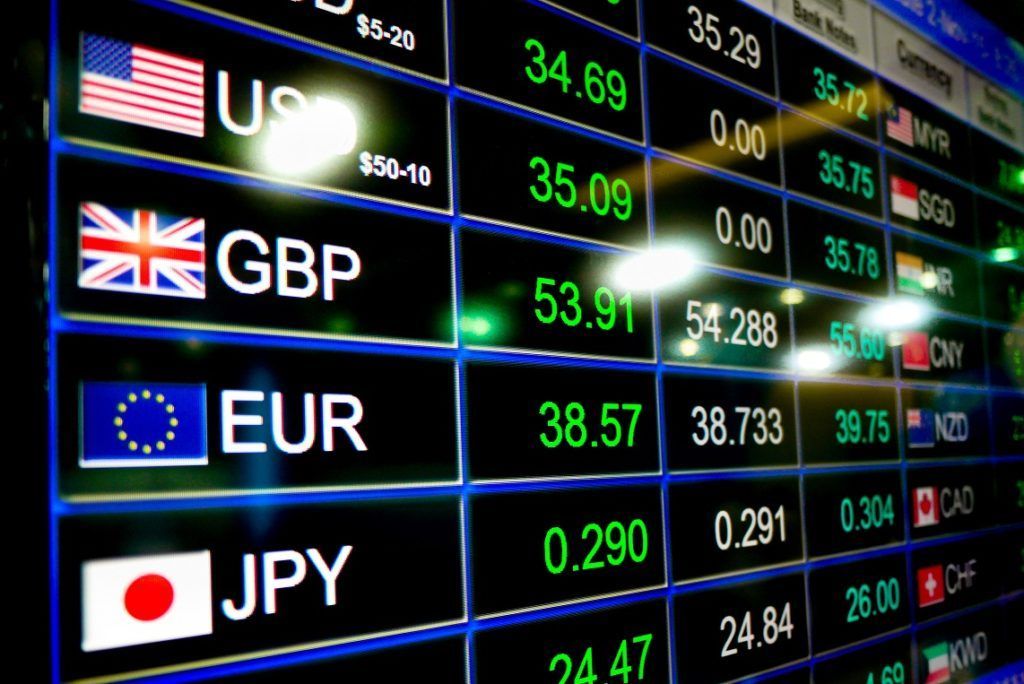

Ten Strategies To Save Money On The Cost Of Currency Conversion And Other Fees.
Currency conversion charges are critical in the current global economy, no matter if you travel internationally or conduct business overseas, or have investments in foreign currency. These fees can be very different depending on who is providing the service, how the exchange was conducted and the currency involved. Learning how to navigate these charges will help you save money and make better decisions. Here are the top ten currency conversion tips that will aid both business and travelers.
1. Learn about the different kinds of currency conversion fees
Costs for currency conversion may come in many types. There are transaction charges, exchange rate markups, and service charges. Service fees could be a percent of the amount total, while transactions fees are a predetermined cost for each exchange. Markups on exchange rates occur when the service provider provides a less favorable rate than the market rate. Understanding the various types of charges can help you choose the most cost-effective options.
2. Compare rates from multiple providers
Comparing rates is vital prior to exchanging currencies. Banks, kiosks that exchange currency, and online platforms have different fees and rates. Currency converters allow you to compare rates in real-time and estimate the total cost, including the fees for each choice. This comparison tool can be used to determine the most favorable rate and save lots of money, especially when you're exchanging large quantities.
3. Currency exchange services that don't charge any fees are the most suitable alternatives to think about
Certain financial institutions, including banks, have accounts that offer free currency exchange and lower fees. Fintech and online banks are among them. They offer account holders a free exchange of currency. You might want to consider opening an account at one of these organizations when you frequently deal with foreign currencies.
4. Be aware that DCC (Dynamic Currency Conversion) charges can be high
When you make a purchase using your credit card or debit cards from abroad, a program called Dynamic currency conversion might give you the option of using your home currency. Although this may seem like a good option, it often involves more conversion costs and less favorable exchange rates. Make sure to pay in local currency whenever you can, to avoid extra costs and obtain the best rate.
5. Make use of credit cards with no Foreign Transaction Fees
When you travel, using credit cards that don't charge foreign transaction fees could help you save money. This is an advantage that is offered by many credit cards that are themed around travel. You can make purchases overseas without incurring extra charges. Select a credit card according to your individual spending habits, and one with a favorable exchange rate. This can help minimize the cost of travel.
6. Make use of ATMs to withdraw cash
ATMs that allow you to withdraw cash in local currency may yield more favorable exchange rates than currency exchange kiosks. But, you should be aware of any fees that may be charged by both your bank as well as the ATM operator. If you want to cut costs, use ATMs associated to your bank. You can also withdraw cash using local currency and avoid currency conversion charges.
7. Make sure you plan your currency conversion in advance
Avoid exchanges that occur late at night close to airports or tourist destinations, as fees can be expensive. Instead, plan your currency conversion prior to your trip to make use of lower rates and less charges. Explore the best alternatives for local exchange and exchange small amounts before your departure to pay for immediate expenses. Plan on exchanging larger amounts when you arrive.
8. Watch for changes in exchange rates
The trend of exchange rates can assist you in determining the ideal moment to convert your currency. The fluctuation in exchange rates could create a range of costs and fees. Knowing these trends will help you determine the best time to convert. Make use of information from the past or financial news to make informed decisions and you can take advantage of favorable market conditions.
9. Factor in Hidden Fees in Transactions
Beware of providers that offer hidden fees that are not immediately obvious. There are a variety of fees that could be service fees, foreign currency account maintenance fees, or unfavorable exchange rates. To make sure that you're aware of all the fees associated with conversion of currency Always read them and seek clarification. This will help avoid unexpected charges and allow you to make better financial decisions.
10. Contact Financial Experts for Large Transactions
Financial experts are a great source if you have to make large-scale transactions or if your exchanges are complicated. Currency specialists are able to offer advice on the most effective practices to improve the efficiency of transactions and decrease conversion fees. This is crucial for those that are involved in international trade, or investors seeking to manage their exposure to currency effectively.
If you follow these guidelines on how to reduce the cost of currency conversion and other fees, you will be able to navigate the complexity of currency exchange more effectively, whether you're traveling abroad doing business internationally, or managing the investment in foreign currencies. Knowing the subtleties of these fees will allow you to make smarter financial decisions that align with your personal or business goals and ultimately save you money and enhancing your financial strategies. Check out the recommended basics for AED to USD for website examples including rmb to usd, euro to dollar conversion, usd to euro exchange rate, currency converter, us dollar to mexican peso, usd to british pound, swiss franc to usd, colombian peso to dollar, 1 usd in rupees, usdthb and more.

Top 10 Tips On Destination Currency And Currency Exchange Rates
Knowing the currency of your destination is crucial for anyone who wants to travel abroad, do international business, or invest in foreign markets. The destination currency is the local currency of the country that you are traveling to or with whom you are in engaged. It can impact the financial decisions you make. Variations in exchange fees, currency fluctuations and the overall economic situation can affect your spending when you travel, as well as the profitability or efficient your business transaction and investments are. By gaining a better knowledge of the currency used in your destination it will allow you to make better financial decisions. Here are the top ten detailed tips for effectively managing the currency of your destination in your financial ventures.
1. Before traveling, it is important to research the currency of the country.
Take the time to learn about the currency of your country. Knowing the value of the currency in that country in comparison to your own currency is crucial. Additionally, you should be aware with its denominations. This will allow you to control your spending more effectively and avoid overpaying for goods and services. Websites like XE.com offer real-time information and historical exchange rates to help you calculate the value of your money in foreign currency.
2. Keep track of exchange rates leading up to your trip
The monitoring of these fluctuations will help you determine the best time to exchange currency. To set alerts on favorable exchange rates, you can use tools and software to track currency. If you are noticing signs that the currency is declining, consider exchanging earlier to maximize the power to purchase on your trip.
3. Think about the Costs of Currency Conversion
Conversion fees for currency vary widely among banks, currency services, and ATMs. You should be aware of any costs related to the conversion of your home currency to the currency you wish to use. These fees can quickly mount up. Compare exchange rates between companies, and look for online platforms that have less conversion charges and more competitive rates.
4. Make use of local currency for transactions
The option of paying in your currency is not the best option for purchases made overseas. Using your home currency often requires the dynamic conversion of currency (DCC) that typically comes with poor exchange rates and high charges. Paying in the local currency allows you to benefit from lower rates and reduce excessive costs, which ultimately stretch your budget even further.
5. Set your Cash Needs for the Future advance
While debit and credit cards are accepted in various countries, it's vital to keep some cash in case of smaller purchases such as tips or other places that don't accept credit cards. Consider withdrawing more money in one go to cut down on charges for transactions. Examine the ATM's fees and limits prior to using an ATM while abroad. It is crucial to have local currency available during your travels. This can make your trip more enjoyable and less stressful.
6. Learn about Local Payment Preferences
Different countries have different preferences when it comes to payment methods. Certain countries are heavily influenced by cash while other depend heavily on credit cards and digital payments. Examine the payment habits within your local area to discover what is accepted. This information can be used to design your payment strategy and make sure you've got all the tools for an efficient transaction.
7. Take note of the currency risk that you are taking for your business
If you plan to conduct business in an unfamiliar country, you should consider the risk of currency fluctuations that can result from fluctuations in exchange rates. A sudden shift in the exchange rate of foreign currency could affect margins of profit, as well as the overall performance of your business. You can use hedging techniques, like forward contracts, to protect against currency fluctuations and to lock in rates for future transactions.
8. Be aware of your spending
Monitor your spending while on vacation in the currency of your destination. Keep a thorough record of your expenses or utilize budgeting software to track how much money you are spending in the local currency. This will allow you to not overspend on your trip and also ensure that you have enough funds.
9. Financial Regulations – Become educated
Each country has its own regulations concerning currency exchange, cash transaction, and reporting obligations. Make sure to be aware before you travel or conduct any business with these regulations. For example, some countries may impose limits on the amount of cash you can bring into or out, whereas other countries may require you to declare large transactions. It is possible to navigate these rules better if you're well-informed.
10. Consult Currency Experts prior to investing
You should consider consulting with currency experts or financial advisors if your portfolio of investments is comprised of foreign markets. They will provide you with valuable insight into the effect that currency fluctuations could have on your investments, and they will also help you in devising strategies to mitigate the risk of currency. Their knowledge can be valuable in understanding the complexity of the currencies you are destined to and maximizing your financial results.
You can manage your currency of choice better by following these clear guidelines. Understanding the implications for the currency of your destination will allow you to make better financial decisions, that align with your objectives. See the top EUR to HUF for site examples including 1 us dollar in indian rupees, pesos to usd, colombian peso to dollar, canadian dollar to usd, dollar to canadian dollar, us dollar to japanese yen, swiss franc to usd, chf to usd, yen to us dollar, usd to mexican peso and more.